
Heavy banks of mist could erase the horizon within minutes, and winter swells drove vessels toward reefs that sat just below the chop. Mariners learned each headland's risk by memory, but in poor visibility a missed landmark could mean a grounded hull before dawn.
Northern shoreline archive
Beacons of the Northern Coast
Explore archive photographs, keeper stories, and preserved towers that still mark the northern coast's maritime heritage.
Archival views
Human stories
Surviving landmarks
Coastal Context
Between fog, crosswinds, and hidden rock shelves, lighthouse beams became the coast's most trusted language for navigation.
Before modern instruments, these towers translated weather and shoreline danger into signals captains could read at sea.
The lighthouse network gave ports, fishing fleets, and cargo routes a shared rhythm: fixed flashes for position, fog bells for warning, and keeper logs that linked weather, tides, and traffic into daily operational knowledge across the northern shoreline.
At a Glance
Heritage highlights from the northern shoreline
-
Exposed Routes
Beacons marked the unforgiving edge
From fog to shoals, each tower turned uncertain shoreline into readable passage.
-
Keeper Isolation
Long watches, quiet isolation
Families held steady routines through wind, distance, and winter darkness.
-
Rough Weather
Light held through rough weather
During squalls and heavy surf, the beam stayed a trusted point of return.
-
Preserved Landmarks
Preserved towers still anchor memory
Restored sites now connect today’s travelers with the working coast of earlier generations.
Archive Collections
Four ways to browse northern coast history
Each collection opens a different drawer of the archive, from weather-beaten coastlines to the marks left by preservation work.
Storm Coast Views
Wide shoreline frames capture surf, cloud bands, and towers holding their line in rough weather.
Lantern-Room Details
Close studies of lenses, brass fittings, and glasswork reveal the craft behind each beacon.
Working Quarters
Kitchen corners, tool benches, and log desks show the rhythms of keeper life beyond the tower.
Preservation Traces
Repair notes, replacement marks, and conservation phases map how each landmark has endured.
Keeper Stories
Human voices behind the northern coast lights
Between logbooks and lantern glass were people who learned the weather by scent, measured nights by flame, and kept watch when the shoreline vanished into spray.
Lead vignette · Isolation
Winter lantern, one voice, a long tide
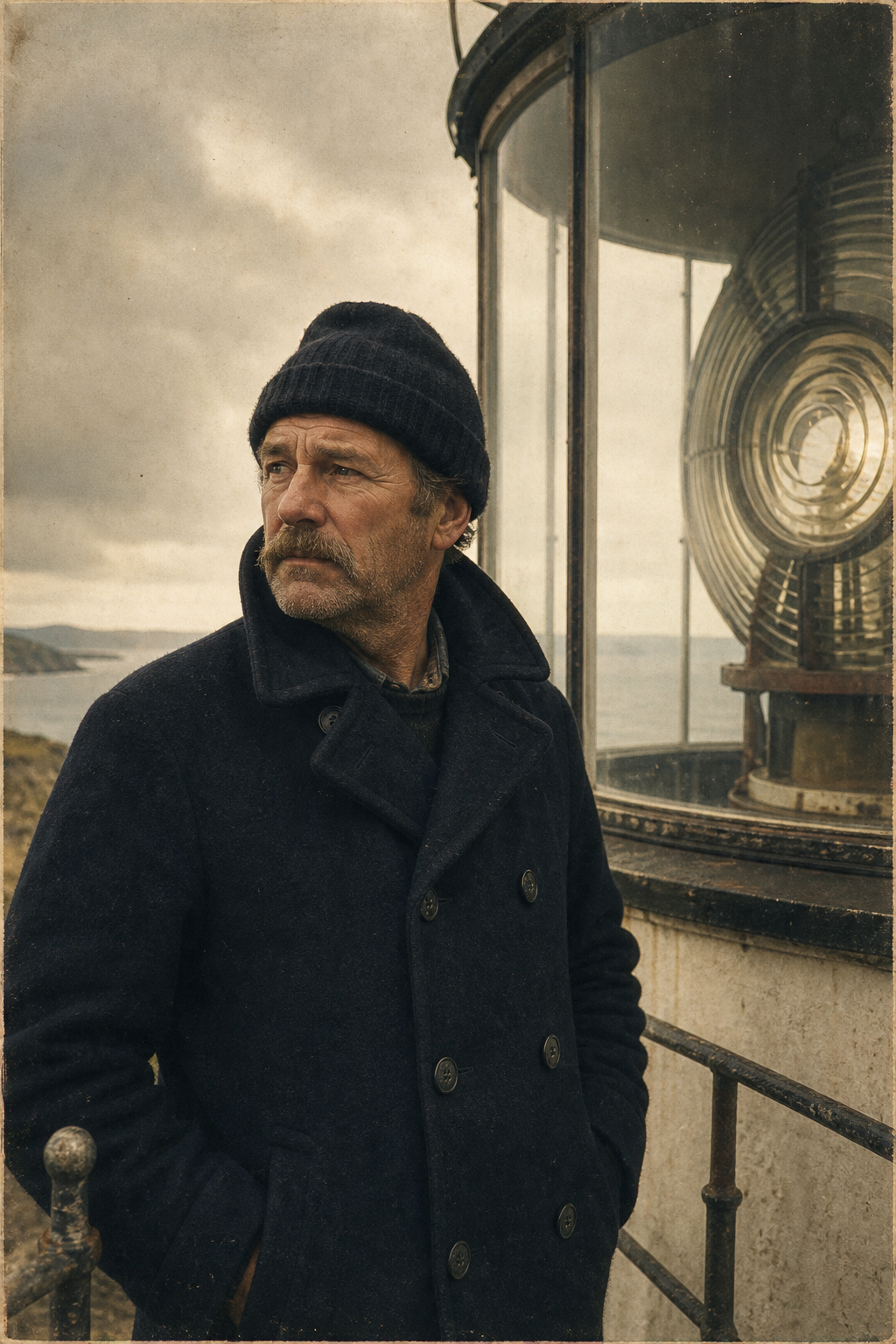
At the far station, days narrowed to weather notes, lamp checks, and letters that arrived weeks late. The keeper wrote that silence was not empty but layered: gull wings at dusk, iron stairs cooling after sunset, and the buoy bell marking each hour. In that rhythm, solitude became a skill rather than a burden.
Supporting vignette · Daily routine
Polish, wick, wind chart, repeat
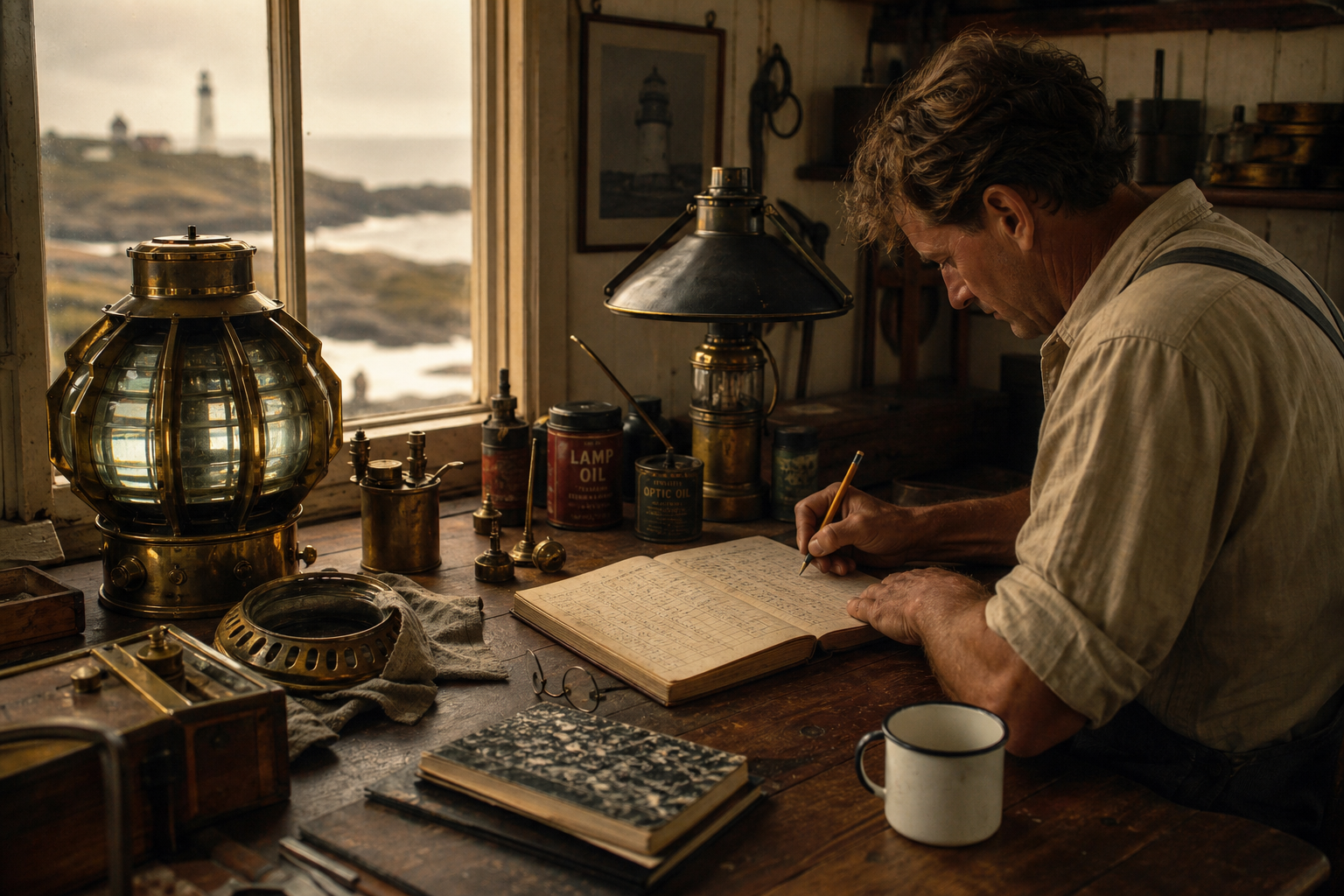
Most shifts were unglamorous and exacting: trim the wick, clean soot from glass, record visibility, and test the signal horn before fog settled. Reliability came from repetition, and repetition was its own quiet craft.
“You do not hold the sea back. You keep one clear point in it, night after night.”
Supporting vignette · Storm-watch memory
When the panes rang with sleet
One keeper remembered a gale so loud that speech became hand signals. Through the watch window, every wave looked like moving slate. He kept the beam timed, checked the reserve oil twice, and waited for first gray light when the reef line returned to view.
Preserved towers reference
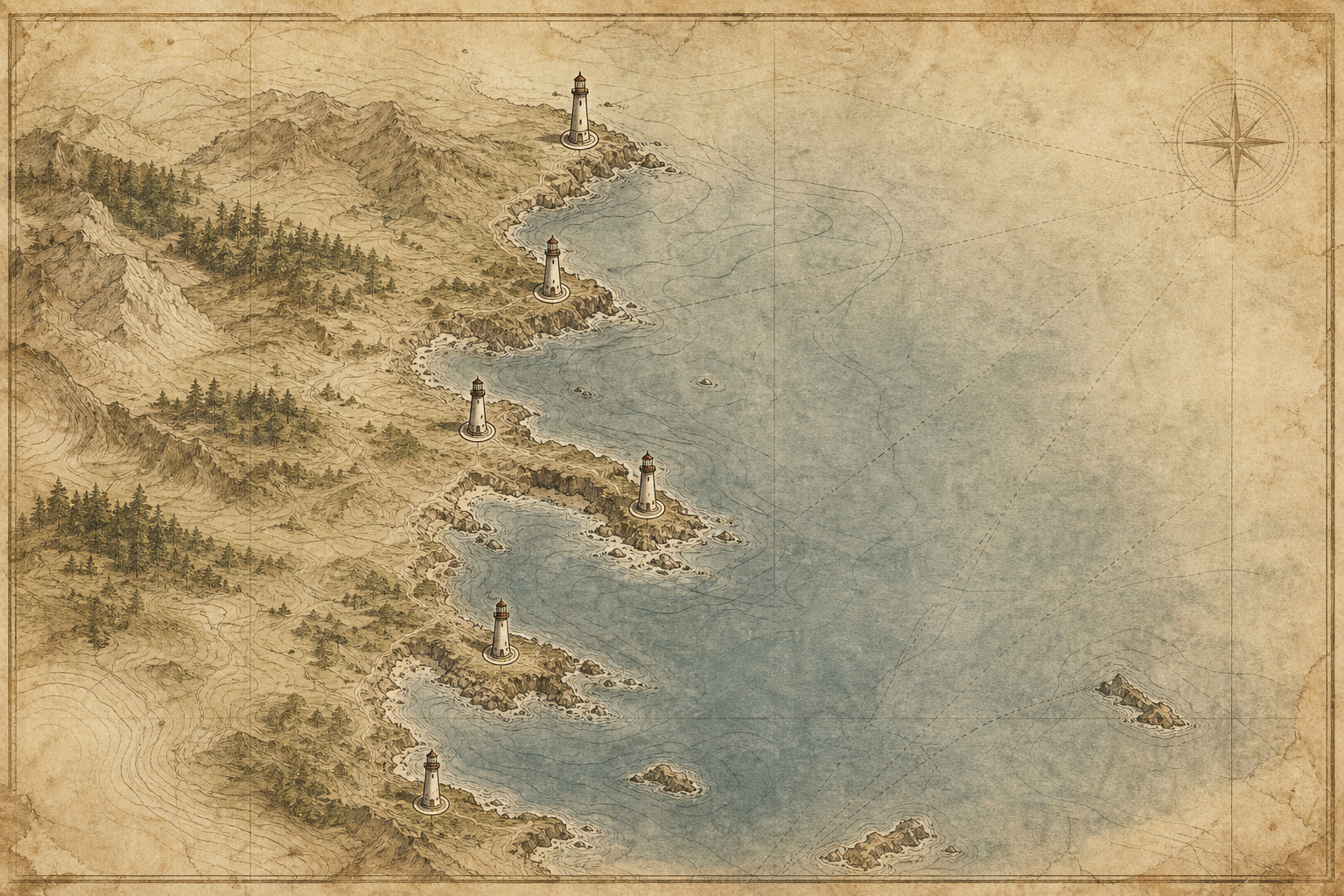
Locate the surviving lighthouse landmarks along the northern coast
A practical coastline view of preserved beacon towers, with quick notes to support field visits, photo planning, and local history research.
1
2
3
4
5
Coastline reference
Visiting notes
Practical answers before you visit preserved lighthouse sites
Planning your route after checking the preserved towers map? These quick notes cover what most visitors ask first.
Can I access every preserved lighthouse tower directly?
No. Some towers sit on protected land or active grounds, so public access varies by site. Use posted local signs and marked paths, and expect a few locations to be view-only from nearby roads or shoreline points.
What season is best for visiting the northern coast towers?
Late spring through early fall usually offers the easiest road access, longer daylight, and more open visitor facilities. Winter visits are possible at many viewpoints, but weather shifts quickly and some services close for the season.
How should I prepare for coastal weather on the day?
Bring layers even on mild days: windproof outerwear, stable shoes, and water are usually enough for short site walks. Fog, wind, and temperature can change within an hour, especially near exposed cliffs and harbor mouths.
What preservation etiquette should visitors follow?
Stay on marked routes, do not climb barriers, and avoid touching original metal, glass, or painted surfaces. Pack out all litter and keep noise low so these working heritage places remain protected for local communities and future visitors.
What should I expect for photography at these sites?
Most viewpoints allow personal photography, but tripods or drone use may be restricted by local rules. Early and late light is often best for contrast and atmosphere, and a lens cloth helps when sea mist settles quickly.